Sewer Line Snaking in Denver, CO
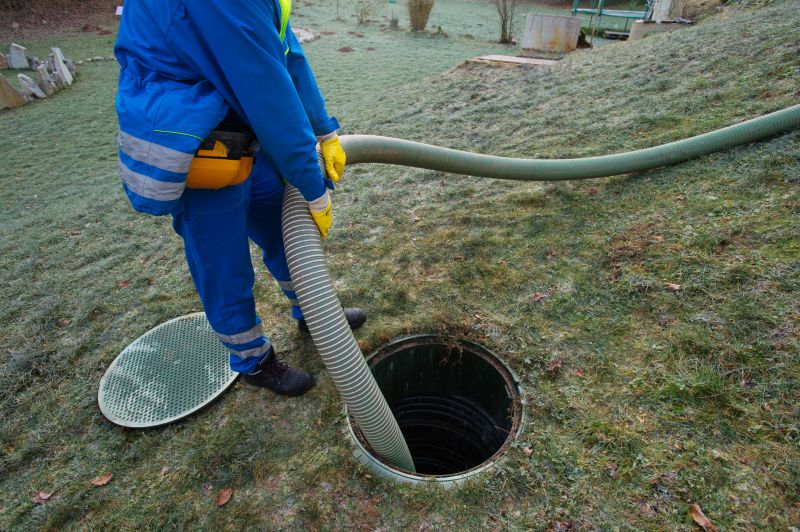
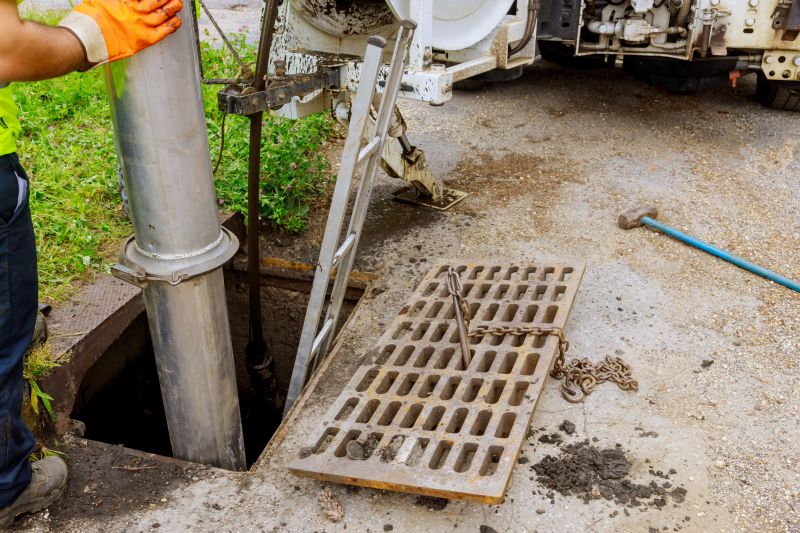
Sewer line snaking is a common method used to clear blockages and restore proper flow within underground sewer pipes. This service involves inserting a specialized, flexible auger or snake into the sewer line to break apart or remove debris, such as grease buildup, tree roots, or accumulated waste. It is typically requested for issues like slow drains, recurring backups, or foul odors emanating from plumbing fixtures, and can address a variety of projects including residential main lines, branch lines, and sewer connections.
Before requesting sewer line snaking, property owners should understand the nature of their plumbing issues and consider whether the problem is isolated or persistent. It’s helpful to know the location of cleanouts and access points, as well as any history of tree root intrusion or previous repairs. Proper assessment can ensure the service is performed effectively and prevent future backups, making it a practical step for maintaining a healthy and functional sewer system in homes and properties.
Many property owners in Denver, CO look into Sewer Line Snaking for repairs, replacements, upgrades, and appearance-related improvements.
Clear Clogged Drains
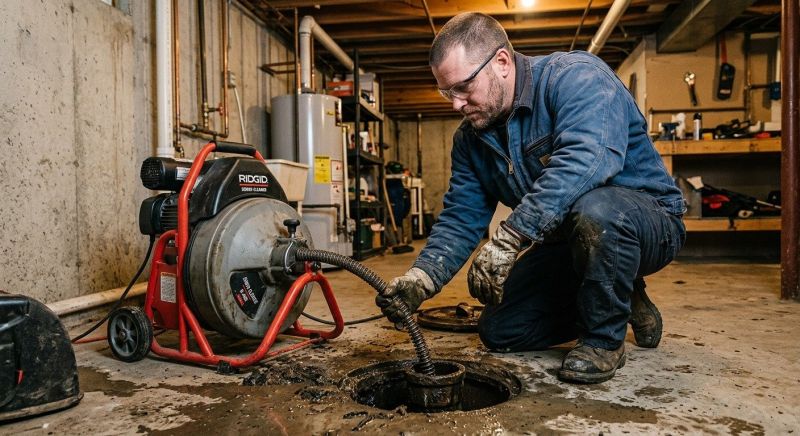
Sewer line snaking effectively removes blockages caused by grease, debris, or buildup in residential and commercial drains.
Prevent Sewer Backups
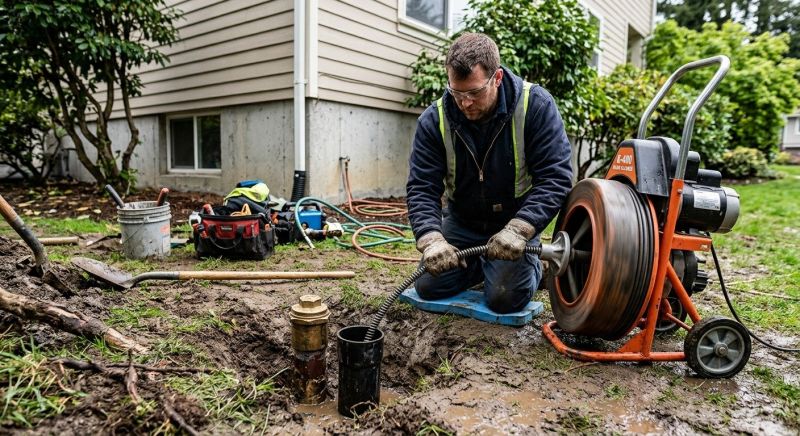
Regular snaking helps maintain proper flow and reduces the risk of sewage backups in denver homes and properties.
Maintain Plumbing Health
Using a sewer snake can extend the lifespan of sewer lines by preventing damage from persistent clogs and obstructions.
Sewer Line Snaking in Denver, CO

Sewer line snaking is a common method used to clear blockages and restore proper flow within underground sewer pipes. This service involves inserting a specialized, flexible auger or snake into the sewer line to break apart or remove debris, such as grease buildup, tree roots, or accumulated waste. It is typically requested for issues like slow drains, recurring backups, or foul odors emanating from plumbing fixtures, and can address a variety of projects including residential main lines, branch lines, and sewer connections.
Before requesting sewer line snaking, property owners should understand the nature of their plumbing issues and consider whether the problem is isolated or persistent. It’s helpful to know the location of cleanouts and access points, as well as any history of tree root intrusion or previous repairs. Proper assessment can ensure the service is performed effectively and prevent future backups, making it a practical step for maintaining a healthy and functional sewer system in homes and properties.
Many property owners in Denver, CO look into Sewer Line Snaking for repairs, replacements, upgrades, and appearance-related improvements.
Common Sewer Line Snaking Jobs
Sewer Line Snaking Services - removes blockages caused by debris and buildup in sewer lines.
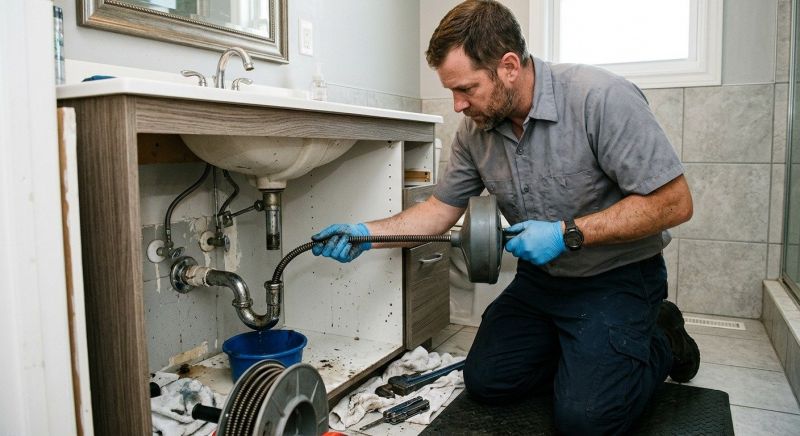
Clogged Drains - clears stubborn clogs in kitchen, bathroom, or laundry drains.
Slow Drainage - restores proper flow in drains affected by grease, hair, or foreign objects.
Tree Root Intrusion - breaks through roots that have infiltrated sewer pipes.
Preventative Maintenance - helps maintain clear sewer lines and avoid future backups.
Emergency Blockage Removal - quickly addresses sudden sewer line obstructions to minimize property damage.
Sewer Line Snaking Questions
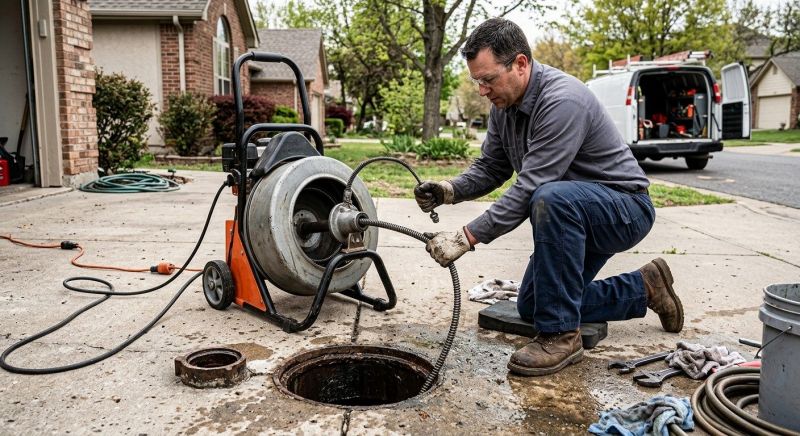
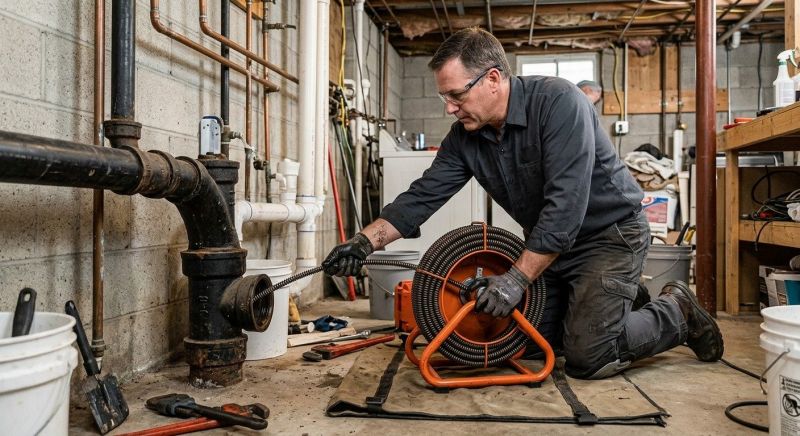
What is sewer line snaking? Sewer line snaking involves using a flexible auger to clear blockages in the main sewer line and restore proper flow.
When is sewer line snaking recommended? It is typically used when drains are slow or backing up due to clogs caused by debris, grease, or tree roots.
How does sewer line snaking work? The process involves inserting a specialized auger into the sewer pipe to break up or dislodge obstructions.
What issues can sewer line snaking resolve? It can effectively address common clogs, prevent backups, and improve overall sewer system performance.
Request Sewer Line Snaking in Denver, CO
Use the quote form on this page to share the basics of your project and request more information for the type of work you need.